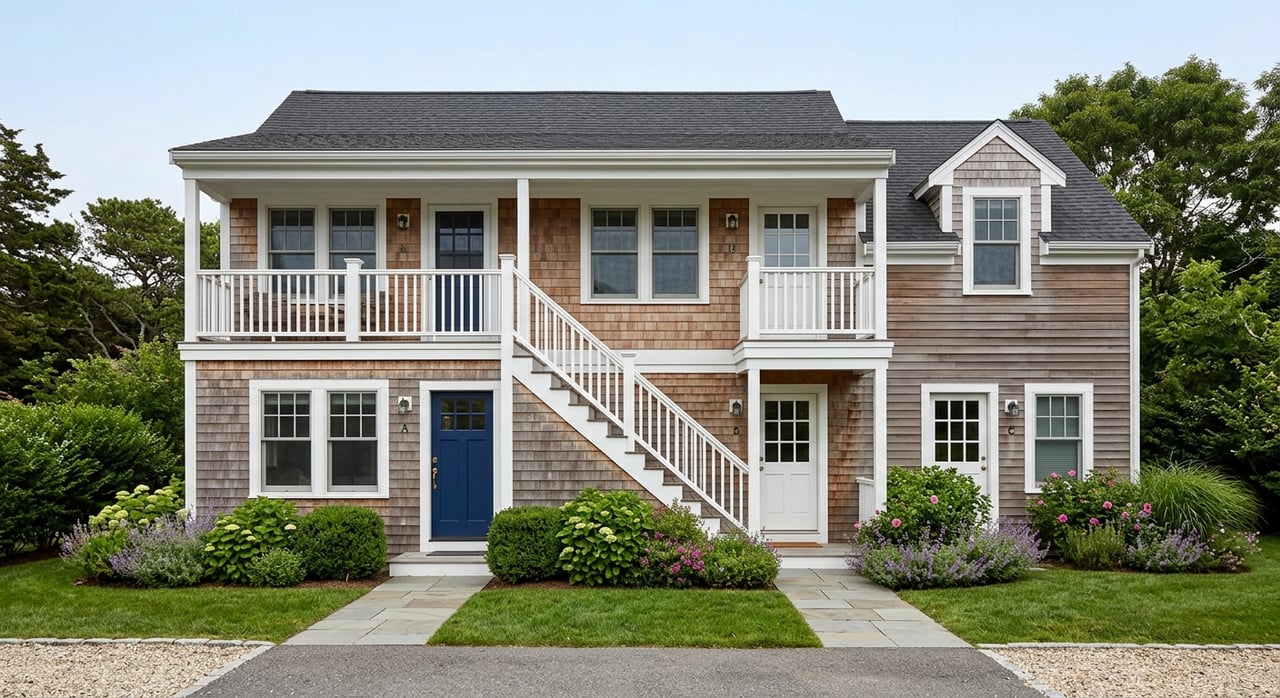
Buying a condo in Provincetown can look simple at first. You find a great location, picture summer weekends or rental income, and start comparing prices. But in Provincetown, a condo purchase is also a decision about rules, costs, seasonal use, and coastal ownership. If you want to buy with confidence, it helps to know what to check before you write an offer. Let’s dive in.
Why Provincetown condos get attention
Provincetown offers a unique mix of lifestyle appeal and limited housing supply. The town has about 3,600 residents and roughly 5,000 housing units, and 56% of the housing stock is seasonally vacant. That helps explain why year-round housing is scarce and why condos often draw strong interest from both local and second-home buyers.
The town also reports just 269 deed-restricted year-round units. For you as a buyer, that means supply can feel tight even before you narrow your search by budget, location, parking, or rental goals. In a place with constrained inventory, preparation matters.
Current market context supports that picture. Provincetown’s condo snapshot shows 50 condos for sale with a median listing price of $1.05 million, and many homes are on the market for about 66 days. The town’s 2025 Community Housing Report also notes that the 2023 median condo sale price was over $806,000.
What makes a Provincetown condo different
Not all Provincetown condos live the same way. Local sales records show a wide mix of unit types, including townhouse-end units, full-floor units, cottages, apartments, and house-style condos. That means bedroom count alone will not tell you enough about how a property functions.
In Provincetown, the condo form can matter as much as the floor plan. A converted historic building may have very different rules, maintenance expectations, and storage options than a smaller cottage-style association. A house-style condo may feel more private, while a multi-unit building may come with more shared systems and common-area decisions.
That is why it helps to look beyond finishes and square footage. You want to understand the unit’s layout, how the association is structured, and what ownership really includes.
Start with the condo documents
Under Massachusetts General Laws Chapter 183A, condo ownership is shaped by the master deed and the by-laws. These documents describe the land, buildings, units, common areas, use restrictions, and the management structure. They also cover maintenance, common expenses, operational rules, and related responsibilities.
In plain terms, the condo documents tell you how the property works. They explain what you own exclusively, what is shared, what rules apply, and how costs are handled. They are not just legal paperwork. They are a practical guide to daily ownership.
As a unit owner, you have exclusive ownership and possession of your unit, but you also have to comply with the master deed, by-laws, and lawful restrictions. Associations may also require notice of tenants or occupants other than short-term visitors. If you plan to host guests, rent seasonally, or use the property part-time, that detail matters.
Key condo rules to verify before you offer
Before you make an offer on a Provincetown condo, review the association rules carefully. By-laws may include operational procedures, use restrictions, and in some cases arbitration procedures or even a right of first refusal. These details can affect both your timeline and your future flexibility.
Focus on the rules that shape how you plan to use the property. A condo that works well for a personal getaway may not work as well for a rental strategy. A unit that seems turnkey may still come with limits on pets, renovations, or occupancy.
Here are the items worth confirming early:
- Rental eligibility
- Minimum stay requirements
- Seasonal occupancy rules
- Pet rules
- Parking rights or restrictions
- Storage access
- Alteration or renovation restrictions
- HOA dues
- Reserve strength
- Pending special assessments
- Transfer restrictions
- Right of first refusal, if any
A quick review can save you from expensive surprises later. In Provincetown, those rules can materially affect resale value, carrying costs, and rental potential.
Understand your true ownership costs
Purchase price is only part of the budget. Provincetown’s FY2026 residential tax rate is $6.13 per $1,000 of assessed value. You will also want to factor in HOA dues, insurance, possible special assessments, and any rental-related compliance costs.
That full-cost view matters in a coastal condo market. Monthly dues may cover meaningful shared expenses, but they can also vary widely based on building type, shared systems, and reserves. A lower monthly fee is not always better if the association has weak reserves or deferred maintenance.
Special assessments deserve extra attention. Even a well-located condo can become more expensive than expected if the association needs major exterior work, system upgrades, or storm-related repairs. Ask for clarity on current dues, reserve funding, and any known upcoming projects.
Think through rental use before you buy
Many buyers are drawn to Provincetown condos because they want a second home with flexibility. If that is your plan, rental rules should be part of your early screening, not an afterthought. Town rules and condo rules both matter.
Provincetown defines a short-term rental as any room or unit rented for 31 consecutive days or less. A long-term rental is any room or unit rented for year-round and or seasonal use, and a long-term rental certificate lasts three years and cannot be used for weekly or nightly stays.
If you want to operate a short-term rental, the town says you must register with the town and the state, notify your insurer, and carry at least $1 million of liability insurance. The town also says short-term rental inspections are required as of July 1, 2025. Primary residences are inspected every five years after the initial application, while non-primary residences are inspected annually.
Each short-term rental unit also needs a 5-pound commercial-grade ABC fire extinguisher. That may sound like a small detail, but it is a good example of why rental ownership here is also a compliance exercise. You want to know the local rules before you count on rental income.
Know the tax side of short-term rentals
If your condo qualifies as a short-term rental, occupancy taxes also enter the picture. Provincetown’s current short-term rental occupancy tax page says the total tax is 17.45% when the 3% community impact fee applies. That fee applies when the same operator has two or more short-term rental units in Provincetown and the units are not in an owner-occupied single-family, two-family, or three-family dwelling.
For you, the takeaway is simple. If rental income is part of your plan, do not stop at gross nightly rates. You need to account for taxes, insurance, inspections, and any association limits that may affect use.
Year-round rental can be another path
Not every buyer wants to use a Provincetown condo for short stays. Some owners may prefer a steadier year-round rental model, especially if they do not need peak-season occupancy. Provincetown’s Lease to Locals program offers one-time incentives from $6,000 to $20,000 for owners who convert qualifying units away from short-term renting or vacancy and into year-round rentals for Provincetown residents.
That program may not fit every owner, but it shows that year-round rental use is a real option in town. If you are weighing lifestyle use against income goals, this is another reason to think strategically before you buy.
Flood risk is part of condo ownership
Coastal risk is a real part of owning in Provincetown. The town says the community is vulnerable to sea level rise, storm surge, erosion, and increased rainfall. It also notes that updated FEMA flood insurance rate maps are active.
Just as important, the town says final flood-zone determination for insurance is made by the mortgage lender and insurer, not by the town. That means you should verify flood insurance expectations for any condo you are considering. Do not assume that building type or location alone tells the whole story.
This is especially important when you compare monthly carrying costs. A condo that looks manageable on paper may feel different once insurance and flood-related requirements are added in.
Parking can change daily life
Parking deserves more attention than many buyers expect. In Provincetown, a beautiful condo without clear parking can feel very different in peak season than it does on a quiet showing day. If parking matters to you, confirm whether the unit has deeded parking or how permit access works.
The town says paid parking is in effect from May 1, 2026 through November 2, 2026, seven days a week, and numbered on-street spaces are enforced during that same period. If you plan to use the condo often during warmer months, parking logistics should be part of your decision.
Condo or cottage: which fits better?
Some buyers compare condos with cottages in Provincetown, and that is a smart exercise. In practical terms, a condo often means shared maintenance and a clearer rulebook. A cottage may offer more autonomy, but it can also bring more direct upkeep.
Neither option is automatically better. It depends on how you plan to use the property, how much hands-on management you want, and whether shared governance feels helpful or limiting. For many second-home buyers and absentee owners, a condo can offer a more manageable ownership experience, especially when you value simpler upkeep.
A smart pre-offer checklist
When you find a condo you like, slow down just enough to confirm the details that matter most. In Provincetown, the best buying decisions usually come from matching the property to your intended use, not just your wish list.
Use this practical checklist before you offer:
- Confirm the unit’s allowed uses under the master deed and by-laws
- Verify whether short-term rentals are allowed
- Check minimum rental stay rules
- Ask about seasonal occupancy limits
- Review current HOA dues
- Ask about reserve balances and recent association spending
- Check for pending or possible special assessments
- Confirm pet rules
- Confirm parking rights, permits, or deeded spaces
- Review any transfer restriction or right of first refusal
- Verify likely insurance and flood-related requirements
These are the details that shape ownership after closing. They also help you compare one condo against another in a more realistic way.
The bottom line for Provincetown buyers
A Provincetown condo can be a great fit if you want low-maintenance coastal ownership, a second-home base, or a property with rental potential. But here, buying well means looking beyond the listing. You need to understand the association, the town rules, the carrying costs, and the realities of coastal ownership.
When you line those pieces up early, you can shop more confidently and avoid common mistakes. If you want local guidance on evaluating Provincetown condos, rental-readiness questions, or how a unit fits your long-term ownership goals, connect with Amy E Vickers.
FAQs
What should you review before buying a condo in Provincetown?
- Review the master deed, by-laws, rental rules, HOA dues, reserve funding, possible special assessments, parking, pet rules, and any transfer restrictions or right of first refusal.
Can you use a Provincetown condo as a short-term rental?
- Possibly, but you need to confirm both town rules and condo association rules, including whether rentals of 31 consecutive days or less are allowed and what registration, insurance, and inspection requirements apply.
What are the main costs of owning a condo in Provincetown?
- Your budget should include the purchase price, property taxes, HOA dues, insurance, possible special assessments, and any costs tied to rental compliance.
Why do condo documents matter in Provincetown?
- Condo documents explain what you own, what is shared, what restrictions apply, how common expenses are collected, and how the association manages the property.
Does flood risk affect condo buying in Provincetown?
- Yes. The town notes vulnerability to sea level rise, storm surge, erosion, and increased rainfall, and final flood-zone determination for insurance is made by the lender and insurer.
Is parking important when buying a Provincetown condo?
- Yes. You should confirm whether the unit includes deeded parking or how permit access works, especially if you plan to use the property during the busier paid-parking season.