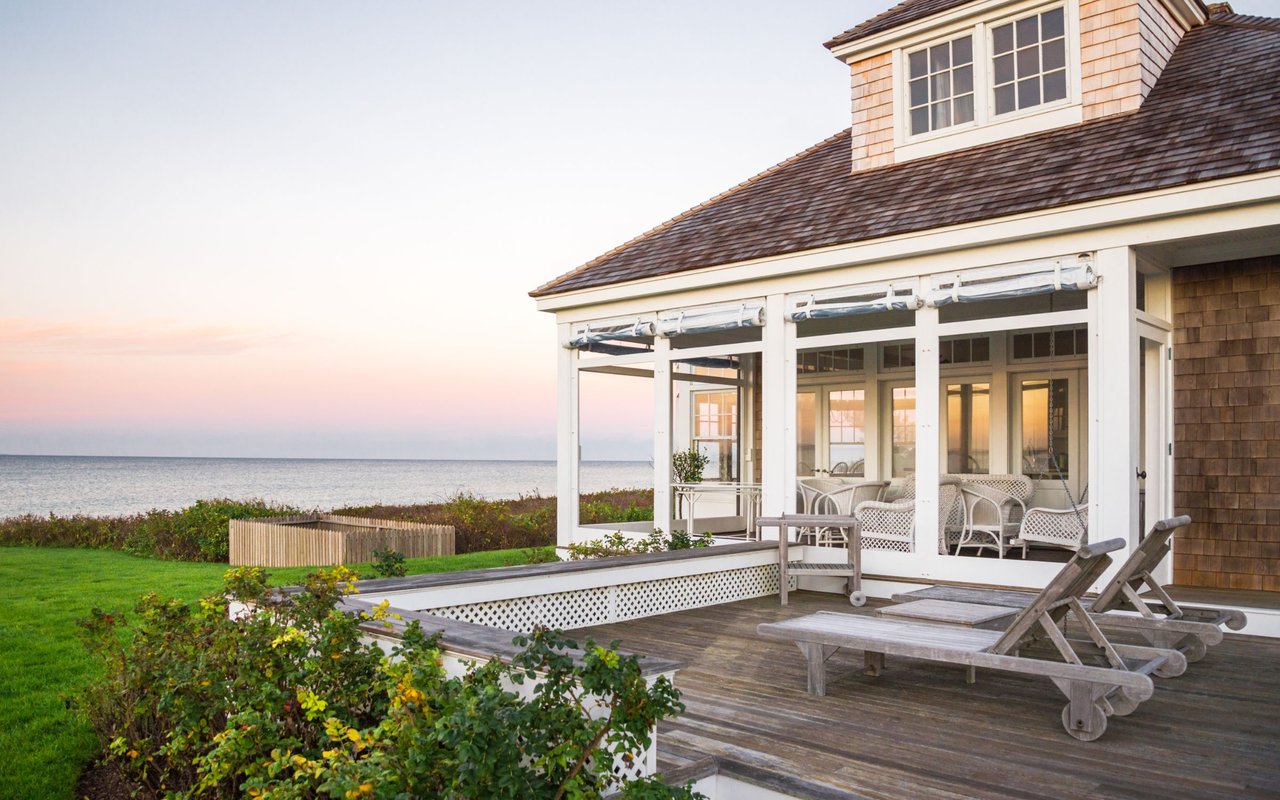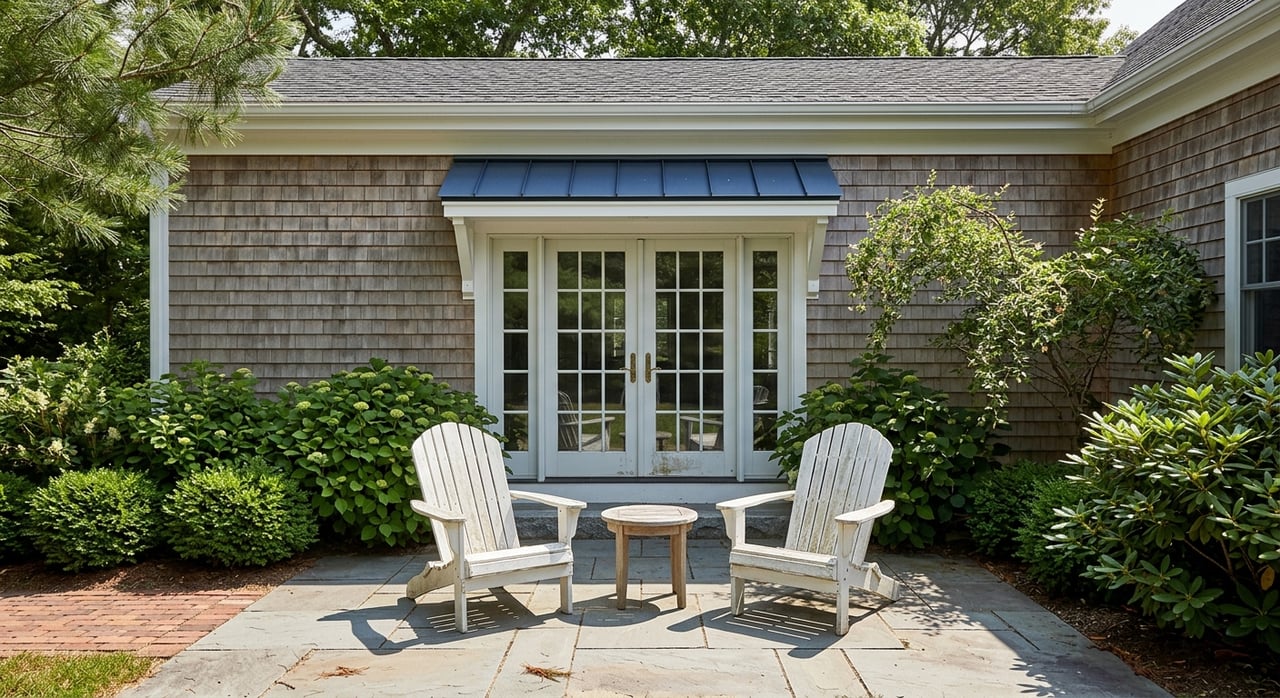
If you are looking for a Cape Cod village that feels tucked away, rooted in the water, and shaped by local tradition, Cotuit deserves a closer look. For many buyers, the challenge is finding a place that offers coastal character without feeling overbuilt or generic. Cotuit stands out for its small-scale village center, strong connection to the bay, and everyday access to arts, recreation, and civic life. Whether you are searching for a year-round home or a seasonal retreat, this guide will help you understand what living in Cotuit is really like. Let’s dive in.
Why Cotuit Feels Distinct
Cotuit is one of Barnstable’s seven villages, and it is also one of the smallest at roughly five square miles. According to Barnstable town planning documents, the village sits on a peninsula on the south side of Barnstable and is bounded on three sides by water.
That setting shapes almost everything about daily life. Cotuit has about 12 miles of coastline, but only a small amount of town-owned beach and water access land, which helps explain why the village often feels private, quiet, and closely tied to its shoreline. Access in and out is also fairly defined, mainly through School Street Bridge toward Mashpee and along roads like Route 28, Main Street, Putnam Avenue, and Old Post Road.
A Village With Deep Cape Roots
Cotuit’s history is closely tied to the water. Barnstable’s preservation planning notes that the village’s 19th-century economy grew around shipping, shipbuilding, whaling, oystering, and salt making, all of which left a lasting mark on the village’s character.
Those same planning materials also note that Cotuit still retains more of a seasonal summer identity than any other Barnstable village. The first summer residence in Barnstable and the first hotel on Cape Cod were built here in the mid-19th century, helping Cotuit keep the feel of an old Cape summer place instead of a dense modern suburb. You can still see that influence today in the village scale, the road patterns, and the historic homes along key streets.
Life Around the Water
For many people, Cotuit’s biggest draw is its relationship to the bay. The village is tied to Cotuit Bay, North Bay, and Shoestring Bay, and local planning documents describe these waters as central to village life.
According to the Cotuit village plan, one-third of the surface of Cotuit Harbor and North Bay is occupied by boat moorings, with waiting lists extending into Shoestring Bay. The same planning work identifies Cotuit as having the highest concentration of water traffic in the study area, with the Town Landing, Loop Beach, and Sampson’s Island and Dead Neck shaping the shoreline scene.
That does not mean the area feels commercial or resort-like. Instead, the outdoor lifestyle here is made up of smaller, place-specific access points that feel woven into the village. It is the kind of place where your connection to the water often comes through daily habits, a short walk, a launch point, or time spent near the harbor.
Beaches and Outdoor Spots
Cotuit offers several local places to get outside without going far. Barnstable’s recreation resources list Loop Beach, Ropes Beach, and Lovell’s Pond in Cotuit.
For land-based recreation, Barnstable also points to Crocker Neck, Santuit Pond Preserve, and Preserve Loop for walking, woods and bog landscapes, and passive recreation. Together, these spots support a lifestyle that feels local and easygoing rather than high-pressure or heavily programmed.
Boating and Summer Traditions
Cotuit also has long-standing summer traditions tied to the water and local recreation. Barnstable’s budget materials note that Cotuit oysters were once famous far beyond Cape Cod, and that the Cotuit Mosquito Yacht Club has hosted summer races since the early 1900s.
The same town materials say the Cotuit Skiff has been raced for more than a century, and the Cotuit Kettleers play at Lowell Park each summer. Barnstable’s 2025 comprehensive plan also continues support for the Kettleers and the Cape Cod Baseball League. These traditions add a strong sense of continuity and place, especially for buyers seeking a village with established local rhythms.
The Village Center and Daily Life
Cotuit’s clearest center is around Main Street, School Street, and Memorial Park. Planning documents describe Memorial Park as an identifiable village green and note that the surrounding area includes the library, meeting hall, church, Masonic Lodge, tennis club, post office, and a handful of small businesses.
That layout matters if you are trying to picture daily life. Cotuit is not built around large shopping areas or busy commercial strips. Instead, it offers a village core where civic spaces and everyday destinations sit close together, helping the area feel connected and easy to navigate.
Memorial Park as the Heart of Cotuit
Town community preservation materials describe Memorial Park as the focal point of the village. It links the library, waterfront, playground, and post office, and supports village day, craft festivals, artisan fairs, and other community events.
Town council materials also moved forward funding for park improvements in 2025. That ongoing public investment signals how important the park remains to village life and to Cotuit’s identity as a place built around gathering spaces rather than large-scale development.
Library and Civic Anchors
The Cotuit Library has been a central gathering place since 1874. Today, it offers books, digital resources, children’s programs, technology support, and community gatherings, all with a mission focused on enhancing village life for residents of all ages.
Cotuit also has a locally grounded civic structure through Freedom Hall and the Cotuit Fire District. The Cotuit Fire District notes that its Prudential Committee manages village finances and oversees Freedom Hall, while planning materials describe Freedom Hall as a long-standing community meeting place used for events, scouts, and voting. For buyers, that often translates into a village feel that is more intimate and locally rooted than a standard suburban pattern.
Arts and Culture in Cotuit
Cotuit’s cultural life is another reason the village stands out. For a small place, it offers a notable mix of theater, visual art, music, classes, and exhibits that support year-round activity.
The Cotuit Center for the Arts was founded in 1993 and now offers theater, music, visual art, classes, exhibitions, and year-round programming. At the Route 28 and Main Street junction, the Cahoon Museum of American Art adds another layer of cultural interest with a focus on American art and the legacy of the Cahoon family.
For many buyers, this matters more than they first expect. It gives Cotuit a creative, community-based rhythm that balances the boating and beach side of village life.
Cotuit Housing Character
Cotuit’s housing story is less about large new subdivisions and more about setting, scarcity, and preservation. The village plan describes the Main Street area as predominantly residential, with many homes of historic and architectural importance.
The same planning materials highlight scenic roads such as Main Street, Putnam Avenue, Old Kings Road, Old Shore Road, School Street, and Santuit-Newtown Road as places residents want to protect. Barnstable’s preservation plan also notes that Cotuit still contains an impressive collection of Greek Revival homes and that enough contemporary development has been limited to preserve much of the historic streetscape.
What Buyers Should Keep in Mind
If you are considering buying in Cotuit, it helps to understand that inventory is shaped by limited land and a long-established village pattern. Local planning documents note that limited buildable land, especially for waterfront lots, has contributed to a market shaped by scarcity rather than outward growth.
Those same documents also point out that some smaller properties have been purchased and replaced with larger structures. In practical terms, that means your home search may involve tradeoffs between lot size, water access, historic character, and proximity to the village center.
The Santuit Area
The Santuit section along Route 28 offers a slightly different feel from the Main Street village core. The village plan describes it as a low-intensity business district that remains largely residential, with traffic pressure, signage, and architectural fit being ongoing concerns.
For buyers, that distinction is useful. It helps explain why Cotuit can feel quiet and tucked away while still maintaining everyday commercial uses and access to a regional road corridor nearby.
Who Cotuit May Appeal To
Cotuit can appeal to a range of buyers, especially those who value setting and village character over large-scale amenities. If you are looking for a second home, the combination of bay access, summer traditions, and arts programming may feel especially compelling.
If you are searching for a year-round residence, you may appreciate the library, civic spaces, trail access, and close-knit village structure. And if you are thinking about long-term ownership, Cotuit’s limited growth pattern and established identity are often part of what makes the village feel enduring.
What It Means for Your Search
When you are comparing villages on Cape Cod, Cotuit is worth seeing in person because its appeal is highly specific. It is not trying to be busy, flashy, or oversized. Its value comes from the way the shoreline, village core, historic homes, and local institutions all work together to create a distinct sense of place.
That kind of market often benefits from local guidance, especially if you are weighing lifestyle factors alongside property features. Whether you are searching for a primary home, a seasonal getaway, or a property that needs thoughtful planning for part-time ownership, having clear local insight can help you make a smarter decision.
If you are exploring Cotuit or other Cape Cod villages, Amy E Vickers can help you navigate the details with a personalized, high-touch approach tailored to how you want to live and own on the Cape.
FAQs
What is Cotuit, MA known for?
- Cotuit is known for its village setting on a peninsula, its close connection to Cotuit Bay and nearby waters, its historic summer traditions, and its arts and civic institutions.
What outdoor amenities are available in Cotuit, MA?
- Cotuit offers local access to places such as Loop Beach, Ropes Beach, Lovell’s Pond, Crocker Neck, Santuit Pond Preserve, and Preserve Loop for beach time, walking, and passive recreation.
What is the village center like in Cotuit, MA?
- The village center is focused around Main Street, School Street, and Memorial Park, with nearby civic and community spaces including the library, post office, meeting hall, and small businesses.
What is the housing character in Cotuit, MA?
- Cotuit’s housing character is shaped by predominantly residential streets, historic homes, limited buildable land, scenic roads, and a village pattern that has avoided large-scale outward growth.
Is Cotuit, MA a good fit for a second home buyer?
- Cotuit may appeal to second home buyers who want a quieter Cape Cod village with boating traditions, bay access, cultural amenities, and a strong sense of place.