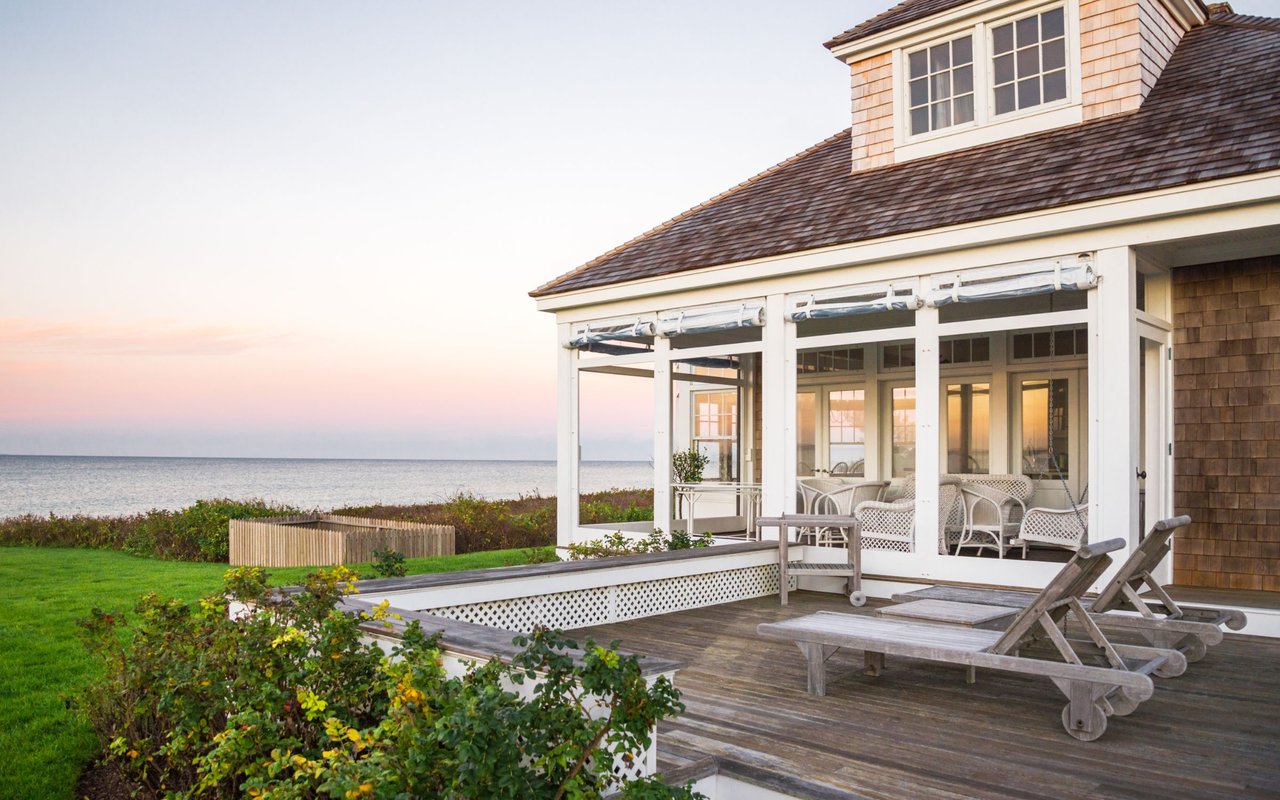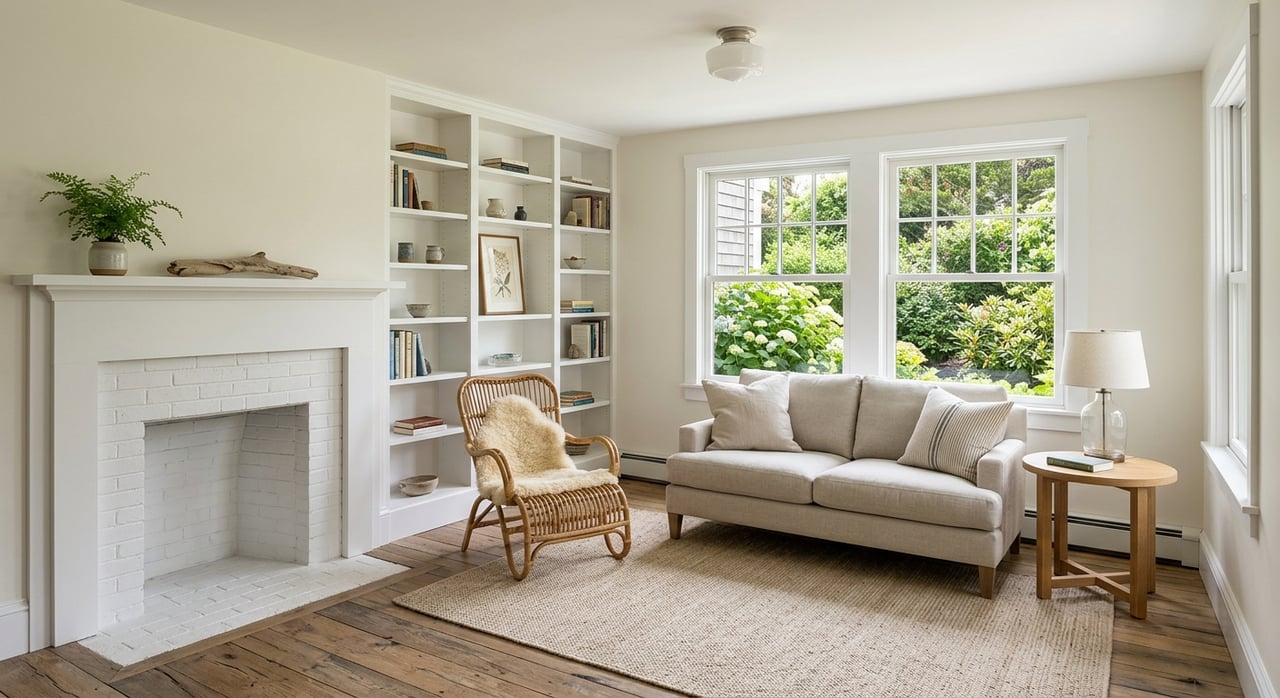
Thinking about trading square footage for simplicity in one of Cape Cod’s most iconic towns? In Chatham, downsizing can mean less maintenance, easier day-to-day living, and more time to enjoy the coast, but it also comes with premium pricing, limited year-round inventory, and a few local rules that matter more than buyers expect. If you want a smaller home without giving up lifestyle, this guide will help you understand what to look for, what to plan for, and how to make a smart move in Chatham. Let’s dive in.
Why Chatham Appeals to Downsizers
Chatham already fits the lifestyle many downsizers want. It is a small coastal town of about 6,700 residents, and local data shows a large share of the population is age 65 and older. Household size is also relatively small, which lines up with the needs of empty nesters, retirees, and buyers looking for a simpler home base.
The setting is a big part of the appeal. Chatham sits at the southeast tip of Cape Cod, bordered by the Atlantic Ocean, Nantucket Sound, and Pleasant Bay. For many buyers, that means a chance to live in a scenic coastal town without needing a large property to enjoy the lifestyle.
What Downsizing Looks Like in Chatham
If you are picturing a market full of new condos and dense multifamily buildings, Chatham may surprise you. The town’s housing stock is overwhelmingly single-family, with 84.5% of residential properties in that category. Condos and apartments make up a much smaller share, so the most realistic downsizing choices are often smaller single-family homes, condos, or homes with flexible ancillary space.
That matters because downsizing here is usually less about moving into a high-rise and more about finding the right-size property. In practice, that could mean a smaller house on a manageable lot, a condo that reduces exterior upkeep, or a property that gives you some guest flexibility without the burden of a large main home.
Smaller Single-Family Homes
For many buyers, a smaller detached home is the best fit. You keep more privacy and independence, and you may still have outdoor space for gardening, entertaining, or simply enjoying the salt air. In Chatham, this can be the most natural transition for homeowners who are used to single-family living and want fewer upkeep demands, not a totally different housing style.
Because much of the town’s housing inventory was built between 1950 and 1999, you may also find homes with solid layouts but older systems or features. That makes condition, maintenance history, and renovation scope especially important when comparing options.
Condos and Lower-Maintenance Options
Condominiums are a smaller part of Chatham’s inventory, but they can be appealing if your priority is reducing exterior maintenance. This type of move can free up your time, especially if you are leaving behind a larger home with yard work, seasonal upkeep, or extra unused rooms.
That said, limited supply means you may need patience and a clear plan. When a lower-maintenance option appears in the right location, it can attract strong interest.
Properties With Flexible Guest Space
Some downsizers are not looking for the smallest possible home. Instead, they want a more efficient home that still leaves room for visiting family, caregivers, or multigenerational needs. In Chatham, that may point you toward properties with ancillary space potential rather than simply more bedrooms in the main home.
ADU Rules Buyers Should Understand
If you are considering a property with space for guests or future caregiving needs, accessory dwelling unit rules matter. Massachusetts generally allows ADUs under 900 square feet by right in single-family zoning districts, but Chatham has local conditions buyers need to review carefully.
In Chatham, an ADU can be no larger than 900 square feet and no more than two bedrooms. It must include one additional off-street parking space, share wastewater facilities with the main house, cannot be sold separately, and cannot be used for short-term rental.
For a downsizer, these rules are practical. They can support flexibility for guests or household support, but they also limit how that space can be used. If ADU potential is part of your plan, it is worth evaluating that early instead of treating it like a bonus you will sort out later.
Main Street Is the Best Walkable Option
If walkability is high on your wish list, downtown Chatham deserves close attention. The town identifies the Main Street area as its Community Activity Center, a compact, walkable area intended to support business, civic uses, recreation, housing, and pedestrian-friendly activity.
For downsizers, that is one of the clearest lifestyle advantages in town. Living near Main Street can make everyday routines feel easier and more connected, especially if you want nearby shops, services, and a more village-style setting.
The downtown business district is also a popular destination with free public parking in town lots and along Main Street. Overnight parking is not permitted on Main Street or in town-owned lots, which is a small detail, but one worth knowing if you expect frequent visitors or are comparing in-town parking setups.
Lifestyle Perks Beyond the House
A successful downsize is not only about the home itself. It is also about whether your new lifestyle feels fuller with less space. Chatham offers several local features that support that goal.
The town’s Recreation & Beaches Division manages beaches, fields, tennis courts, picnic areas, children’s play areas, skate parks, and summer programs. If you want a smaller home but still hope to host children or grandchildren from time to time, these amenities can make those visits feel easy and enjoyable without requiring you to keep extra square footage year-round.
Chatham also offers practical support for older residents through the Council on Aging. The department supports residents 60 and over with health, wellness, social, educational, and outreach services. Its transportation program offers rides Monday through Friday, with medical trips prioritized and service available within Chatham, Harwich, Orleans, and for medical appointments between Orleans and Hyannis.
For many buyers, that kind of local support matters just as much as home size. It can make it easier to stay independent and comfortable over the long term.
Pricing Is a Major Part of the Decision
Chatham is a premium market, and downsizers should go in with clear expectations. The town’s 2025 housing profile reports a 2023 median home sales price of $1.05 million. Census data also places the median value of owner-occupied housing units at $942,800 for 2020 through 2024.
In simple terms, downsizing here does not always mean spending less. Many buyers make this move by using equity from a previous home rather than expecting a dramatic drop in purchase price. If you are coming from a larger off-Cape property or another high-value market, that may feel manageable. If not, it is important to align your goals with local pricing early.
Why Inventory Can Feel Tight
The raw housing count in Chatham does not tell the whole story. More than half of the town’s housing units are used seasonally, recreationally, or occasionally, which means the year-round market is more limited than it first appears.
That can affect both timing and choice. If you are hoping to move quickly into a very specific type of home, especially a smaller, updated, year-round property near downtown, you may need to act decisively when the right fit comes available.
Coastal Planning Should Be Part of Your Search
In Chatham, coastal risk is not a minor footnote. The town states that damaging storms are a fact of life and that large portions of the town are susceptible to coastal flooding and erosion. Buyers should treat this as part of the home search process, not something to review after falling in love with a property.
That does not mean every home carries the same level of concern. It does mean you should weigh maintenance, access, flood exposure, and insurance considerations alongside style, size, and location. A beautiful home that feels easy in July may feel very different if it brings year-round upkeep demands you were trying to leave behind.
The town also participates in FEMA’s Community Rating System and provides floodplain and flood-resistant construction guidance. If a property is in a lower-lying or shoreline area, asking detailed questions early can help you avoid surprises later.
A Smart Downsizing Strategy for Chatham
The best downsizing moves in Chatham usually start with lifestyle priorities, not bedroom count. Before you begin touring homes, think about how you want to live day to day. Do you want to walk to Main Street? Do you want fewer stairs? Do you need room for guests a few times a year? Are you hoping to reduce maintenance as much as possible?
From there, it helps to focus on a few practical filters:
- Home type that matches your maintenance goals
- Location that supports your routine, especially if walkability matters
- Budget that reflects Chatham’s premium pricing
- Property condition and age of major systems
- Coastal exposure and insurance considerations
- Flexibility for guest space or future support needs
When you approach the move this way, downsizing becomes less about giving things up and more about choosing what supports your next chapter best.
If you are considering a move to Chatham, working with a local advisor can make a big difference, especially in a market where year-round inventory is limited and property details matter. For personalized guidance on finding the right-size home and making your move feel seamless, reach out to Amy E Vickers.
FAQs
What home types are most realistic for downsizers in Chatham, MA?
- The most realistic options are smaller single-family homes, condos, and properties with flexible ancillary space, since 84.5% of Chatham’s residential properties are single-family.
Is there a walkable downtown area for downsizers in Chatham, MA?
- Yes. The town identifies the Main Street area as its Community Activity Center, designed as a compact, walkable area with business, civic, recreation, housing, and pedestrian-friendly uses.
Can buyers add guest or caregiver space in Chatham, MA?
- Potentially, yes. Chatham allows ADUs subject to local rules, including a maximum size of 900 square feet, a limit of two bedrooms, one added off-street parking space, shared wastewater facilities with the main house, no separate sale, and no short-term rental use.
How important is flood and storm planning when buying in Chatham, MA?
- It is very important. The town states that damaging storms are a fact of life and that large portions of Chatham are susceptible to coastal flooding and erosion.
What local services support older residents in Chatham, MA?
- Chatham’s Council on Aging supports residents 60 and older with health, wellness, social, educational, and outreach services, plus weekday transportation with medical trips prioritized.
Is downsizing in Chatham, MA always less expensive?
- Not necessarily. Chatham is a high-value market, with a 2023 median home sales price of $1.05 million, so many downsizers rely on equity from a prior home rather than expecting a major price drop.