What if you could start your mornings with salt air, bike a scenic path by the water, and still grab groceries and a great coffee within minutes? In East Falmouth, that rhythm is everyday life. Whether you want a year‑round base or a getaway close to Vineyard Sound, you’ll find a coastal-suburban community with a strong sense of place and seasons. In this guide, you’ll learn what day-to-day living feels like, how you’ll get around, where to find essentials, and what to consider before you buy. Let’s dive in.
Why East Falmouth works
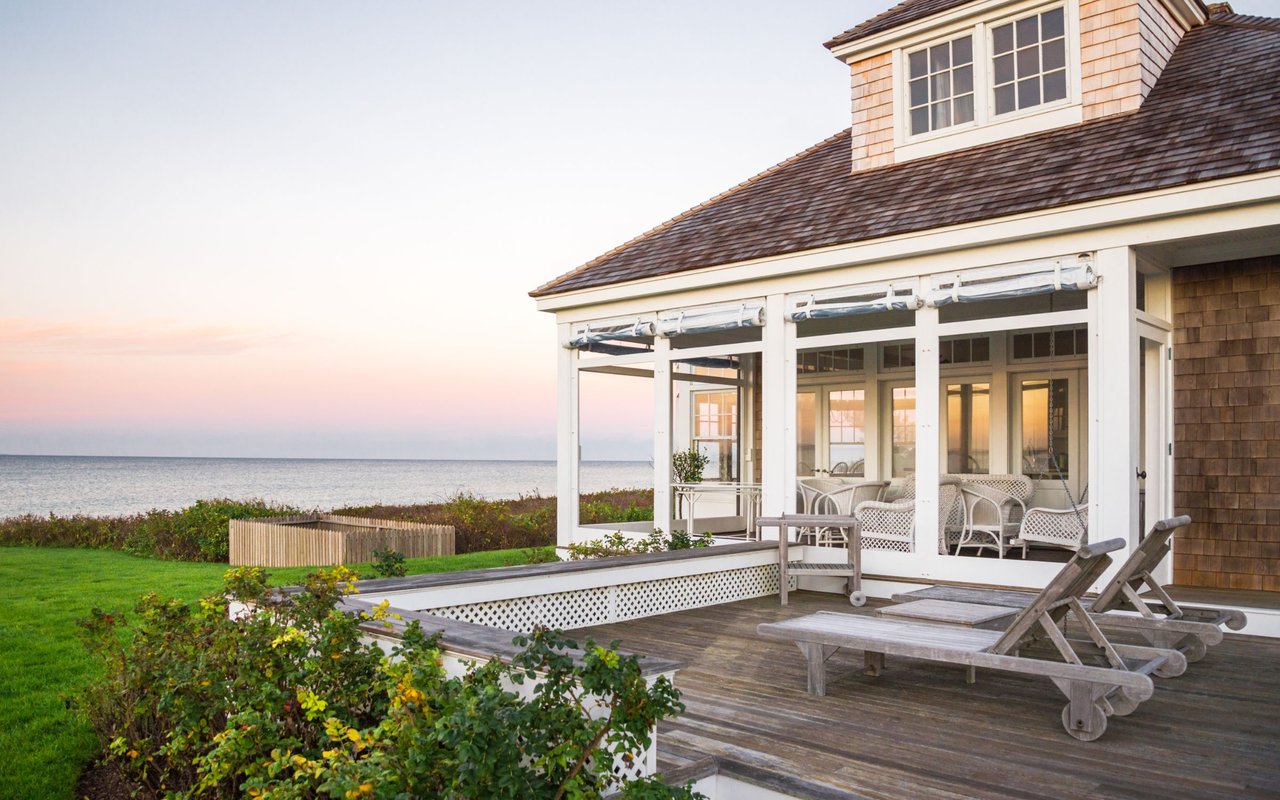
East Falmouth sits on the southern side of Cape Cod within the Town of Falmouth, close to Vineyard Sound and Woods Hole. You get a mix of year‑round neighborhoods, waterfront pockets, and quiet inland streets near ponds and conservation areas. The setting feels coastal and relaxed without losing access to services.
Thanks to the maritime influence, summers are mild and breezy while winters tend to be more moderate than inland New England. Fog and stormy days do roll through at times, especially during nor’easters and tropical systems, so you plan for weather like any Cape Codder would.
Neighborhood feel and seasons
Daily life shifts with the calendar. From late June through early September, East Falmouth gets busier, with more traffic, restaurant patios humming, and beaches filling early. After Labor Day, the pace eases. You’ll enjoy quieter roads, more parking, and the locals’ version of a small‑town rhythm.
If you live here full time, you’ll notice the community is a blend of year‑round neighbors and second‑home owners. Many local businesses remain open all year, while some scale back hours in winter. That seasonal pulse is part of the charm and the planning.
Waterfront and beaches
You’ll have choices, from calm coves for paddling to open-sound stretches perfect for a swim or a sunset walk. East Falmouth beach access includes a mix of public town beaches and smaller neighborhood or association areas. Parking rules and permits vary, and enforcement is strict in peak season.
- Expect resident and non‑resident permit systems at many town beaches.
- Lifeguards are typically on duty in summer at designated locations.
- Some beaches are easier to walk to than park at, especially on weekends.
Before you go, check beach locations, hours, and permit details on the Town of Falmouth site so you know what to bring and where to park.
Getting around and commuting
Most daily trips run along Route 28 and local arteries. Plan extra time in summer, especially on weekends. Hyannis is roughly a 20 to 35 minute drive depending on traffic.
For public transit, the Cape Cod Regional Transit Authority operates local buses across the Cape. Review current routes and schedules on the CCRTA site. There’s no MBTA commuter rail station in Falmouth, so Boston commuters often drive to stations on the South Shore for rail connections during the week.
If you’re island-bound, the Steamship Authority runs frequent ferries to Martha’s Vineyard from Woods Hole, just a short drive from East Falmouth. Parking at the terminal is limited in peak season, so plan for satellite lots and shuttles. Regional flights run through Barnstable Municipal Airport in Hyannis; for national and international routes, most residents use Providence or Boston.
Cycling is part of the lifestyle. The Shining Sea Bikeway, which runs from North Falmouth to Woods Hole, gives you a scenic, off‑road option for recreation and relaxed trips.
Daily essentials and services
You’ll find grocery stores, pharmacies, hardware shops, and everyday services clustered along Route 28, with more choices a few minutes away in Falmouth Village and toward Mashpee. The health system anchor is Falmouth Hospital, part of Cape Cod Healthcare. For ER care, specialists, and diagnostics, learn more at Cape Cod Healthcare.
Utilities are straightforward for most homes. Municipal water is common, though sewer coverage is limited in many parts of the Cape. Many properties rely on private septic systems, which affects inspection, maintenance, and upgrade decisions when you buy. Broadband availability is generally good for remote work, though some streets may not have fiber yet. Verify provider options during your inspection window.
Outdoor recreation and culture
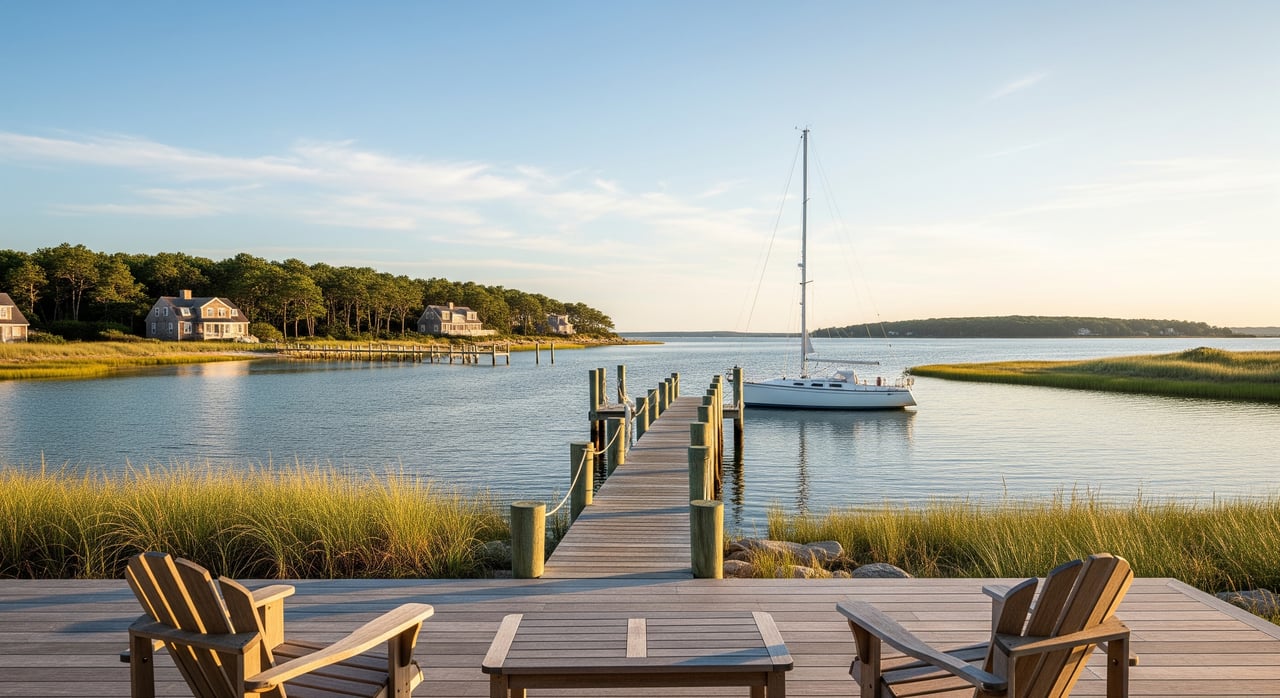
Boating and fishing are woven into local life. Marinas, moorings, and public launches provide access to Vineyard Sound for sailboats, powerboats, and sport fishing. On land, you’ll find conservation trails, neighborhood ponds, and easy access to the bikeway for sunrise rides and sunset strolls.
Cultural programming across Falmouth is steady year‑round, with more events in summer. Proximity to Woods Hole’s research institutions brings lectures, family-friendly activities, and community events into the mix. Libraries and local organizations fill the calendar in the quieter months.
Housing and ownership
You’ll see a mix of single‑family homes, cottages, waterfront properties, and some condo and townhouse communities. The second‑home market is significant, which shapes seasonal demand, rental dynamics, and inventory patterns.
If rental income is part of your plan, summer is the prime season. That said, short‑term rental rules, registration, and taxes apply. Neighborhood associations and HOAs may have their own restrictions. Always confirm current bylaws with the Town and review association documents before you write an offer.
When you evaluate a home, factor in:
- Flood zone status and potential insurance requirements.
- Septic system condition, capacity, and upgrade needs.
- Renovation permits, especially for shoreline or dock work.
- Overall rental feasibility under local rules.
Risks and practical checks
Coastal change is part of Cape life. Some low‑lying streets and waterfront properties face storm surge risk and long‑term sea‑level rise. You can review visual scenarios on the NOAA Sea Level Rise Viewer and confirm a property’s flood zone through the FEMA Flood Map Service Center.
For regional planning updates, wastewater projects, and resilience initiatives, the Cape Cod Commission is a useful reference. The Town site also posts updates on floodplain bylaws, permitting, and coastal projects.
On the home systems side, septic is a key focus area across the Cape. New standards and potential future wastewater projects may affect certain neighborhoods, so ask for recent Title 5 inspection reports, clarify any upgrade obligations, and check for planned sewer expansions. Your attorney and inspector will help you navigate the details.
Schools and learning resources
East Falmouth is served by Falmouth Public Schools. School assignments, program details, and contact information are available on the district site. For state profiles and performance data, use the Massachusetts Department of Elementary and Secondary Education. Start with Falmouth Public Schools and explore state resources from there.
Always verify your street address for school assignments and transportation details directly with the district.
How to check this yourself
Use these official resources to confirm details as you plan:
- Town services, beach permits, and bylaws: Town of Falmouth
- Ferry schedules and parking for Martha’s Vineyard: Steamship Authority
- Local bus routes and schedules: CCRTA
- Hospital and urgent care options: Cape Cod Healthcare
- Flood zones and insurance requirements: FEMA Flood Map Service Center
- Sea‑level rise scenarios and mapping: NOAA Viewer
- Regional planning and coastal projects: Cape Cod Commission
- District contacts and school information: Falmouth Public Schools
Is East Falmouth right for you?
Choose East Falmouth if you want a place where the shoreline and everyday errands are both within easy reach. You’ll have seasonal energy in summer, quiet stretches in the off‑season, and a home base that fits commuting, island trips, and weekend adventures. The key is to buy with clear eyes about flood risk, septic requirements, and rental rules so your home meets your lifestyle goals.
If you’re weighing neighborhoods, planning a purchase timeline, or exploring rental potential, let’s talk through the logistics, numbers, and next steps. With a concierge approach to staging, inspections, and post‑sale support, we’ll help you make a confident move on the Cape.
Ready to explore homes and neighborhoods in East Falmouth? Connect with Amy E Vickers to map your plan.
FAQs
How does commuting to Boston work from East Falmouth?
- Most residents drive 1.5 to 2.5 hours depending on traffic and season, or drive to South Shore MBTA stations. There is no commuter rail in Falmouth, and summer weekend traffic adds time.
What should I know about beach permits and parking?
- Many town beaches use resident and non‑resident permit systems with seasonal rules and lifeguard coverage. Review current details on the Town of Falmouth site before you go.
Is East Falmouth good for year‑round living?
- Yes, it offers grocery, healthcare, and services nearby, with a seasonal population surge in summer and a quieter pace in winter.
How do I check flood risk for a specific property?
- Look up the address on the FEMA Flood Map Service Center and review long‑term scenarios on the NOAA Sea Level Rise Viewer; then consult your insurance agent.
Are short‑term rentals allowed in East Falmouth?
- Short‑term rentals are regulated by the Town of Falmouth and may require registration, taxes, and compliance with neighborhood or HOA rules. Confirm the latest bylaws on the Town of Falmouth site.
Where do I find local bus or ferry schedules?
- Use the CCRTA for bus routes and the Steamship Authority for ferry schedules and parking guidance to Martha’s Vineyard.