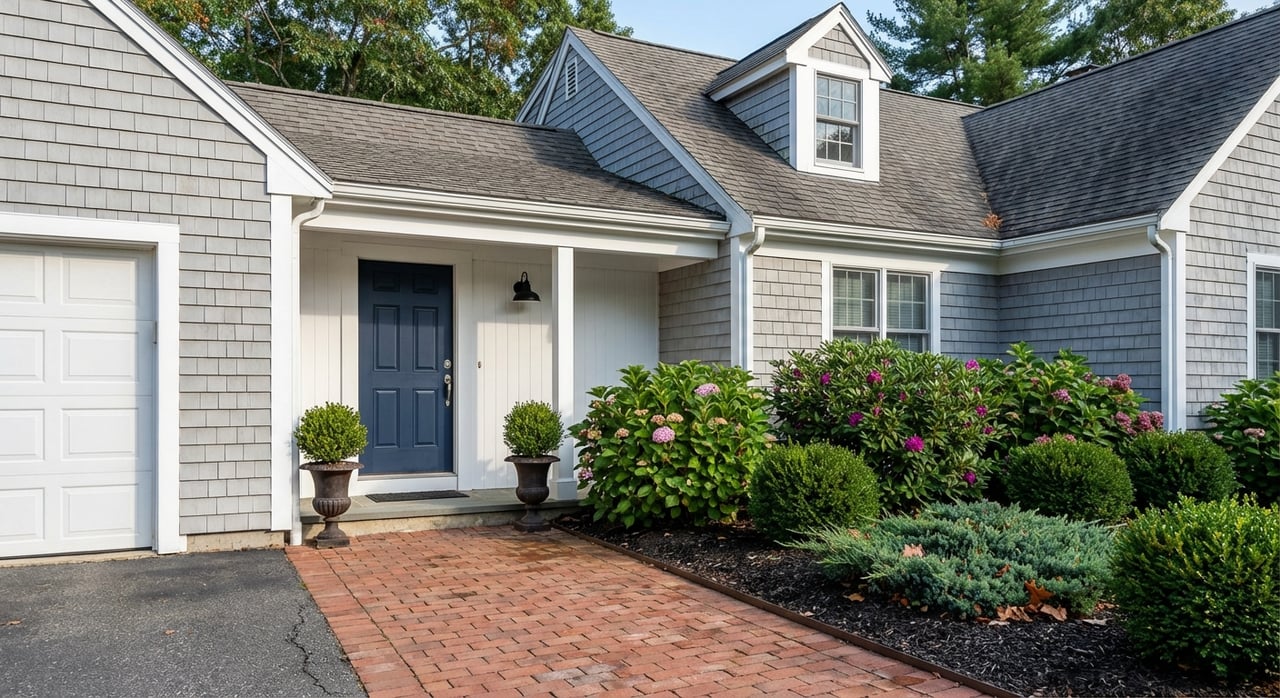
Thinking about listing your North Falmouth home this spring or fall? You want top dollar, a smooth timeline, and a plan that respects Cape Cod’s seasonal rhythm. This guide gives you a clear checklist for timing, must-have inspections, coastal upkeep, staging, and a week-by-week path to market. You’ll finish with a confident roadmap and the tools to market your home the right way. Let’s dive in.
Market timing in North Falmouth
Spring is your prime window. Listings that go live in mid-April often see stronger attention and pricing in many markets, and national research points to mid-April as a historically strong week to list. See the timing context in Realtor.com’s seasonal analysis.
Summer attracts lifestyle buyers, but showings can be tricky if the home is occupied or rented. Fall can be a reliable second window as serious buyers aim to close before the next season. If your property is tenant-occupied or used as a summer rental, build in extra lead time to handle access and de-winterization before photography.
Beach access and parking influence interest in North Falmouth. Buyers ask about Old Silver Beach and town beach parking. Share accurate details using the Town’s beach parking sticker policy to set clear expectations on resident and seasonal access.
What to handle before you list
Title V septic (required in most sales)
If your home has a septic system, plan a Title V inspection early. Massachusetts requires inspections at the time of transfer, and repairs can add time. Review the regulations and talk with your contractor about scheduling and any needed pumping or fixes using the Title V rules.
Private well testing
On a private well? Secure a recent potable water test and keep the lab report handy for buyers. Many towns require testing before transfer, and even when not required, a fresh test builds confidence. See state guidance in the private well testing guidelines.
Lead paint compliance
If your home was built before 1978, be ready to provide lead disclosures and answer questions. Massachusetts enforces a Lead Law with specific obligations if a child under six will live in the home. Get familiar with owner responsibilities using the Massachusetts Lead Law overview.
Waterfront and coastal permits
Waterfront work like docks, seasonal floats, or seawalls often needs local conservation approvals and, in some cases, a Chapter 91 waterways authorization. Gather your permit records now and address any unresolved items before you list. For state guidance, review the waterways permitting FAQ.
Flood zones and insurance
Confirm your FEMA flood map status and compile your insurance details, including any wind or hurricane deductible and current premium. This helps buyers and lenders assess risk and affordability. Start by checking FEMA’s flood map tools and keep your documents in your listing packet.
Disclosures and documentation
Massachusetts requires agents to disclose known material defects. As a seller, gather your septic and well records, any coastal permits, roof and system service receipts, known water intrusion or repair history, and insurance details. Being proactive reduces renegotiation risk later.
Coastal prep priorities buyers notice
High-priority fixes
- Complete your Title V inspection and schedule any repair work.
- Address roof, flashing, and water intrusion issues. Cape exposure accelerates wear.
- Service HVAC and, if applicable, have the chimney inspected to show winter readiness.
- Resolve any safety or odor issues like mold or sewage smells and document remediation.
Medium-priority refreshes
- Touch up exterior paint and trim, re-caulk where needed, and rinse salt deposits.
- Repair decks, rails, and stairs, especially on weather-facing sides.
- Deep clean, declutter, and neutralize odors. Professional cleaning before photos is high impact.
Smart cosmetic updates
- Consider targeted updates in kitchens and baths, such as paint, fixtures, and hardware.
- Build a buyer-ready document folder with permits, inspections, insurance, and service records.
Staging and marketing that sell Cape homes
Staging helps buyers picture themselves living in your home and can reduce time on market. The National Association of REALTORS highlights staging benefits for both marketing and offers. Read more about why it works in NAR’s staging guidance.
Focus staging on the living room, kitchen, and primary bedroom. Highlight outdoor living areas and any view corridors. Use professional photography, a floor plan, and a virtual tour when possible. For waterfront or near-beach properties, drone stills and video can showcase proximity and lifestyle.
If you hire drone services, make sure the pilot holds proper FAA certification. Commercial marketing requires compliance with Part 107 rules. Confirm credentials using the FAA’s drone pilot guidance.
What white-glove service looks like
A concierge listing experience makes selling simpler, especially for second-home owners. A typical white-glove plan can include:
- Vendor coordination for septic, well testing, HVAC, chimney, and repair pros
- Professional staging or virtual staging, plus storage logistics
- A showing strategy that respects seasonal occupancy and renter schedules
- Premium marketing: pro photos, floor plan, virtual tour, and FAA-compliant drone assets
- Clear messaging on beach access, parking rules, and seasonal expectations
Your 8–12 week listing timeline
8–12 weeks out
- Interview agents and align on pricing and timing for a spring or fall launch.
- Schedule Title V inspection and pump if needed. Start any roof or structural repairs. Reference the Title V rules for timing.
- If you have a private well, book water sampling with a certified lab. Follow the private well guidelines for parameters.
- Request a permit history or guidance from the Town of Falmouth Conservation Commission if your property is near the water.
4–6 weeks out
- Finish exterior touch-ups, deck and stair repairs, and any salt-rinse or re-caulking.
- Declutter, pre-pack, and stage. Consider short-term storage.
- Schedule professional cleaning and photography. If applicable, line up an FAA-certified drone operator. See NAR’s staging guidance for room priorities.
1–2 weeks out
- Complete final touch-ups. Create a neat buyer binder with Title V, well test, permits, insurance declarations, and disclosure forms.
- Walk the property with your agent to confirm showing flow and highlight features.
- If beach access is a draw, include clear and accurate notes based on the Town’s parking sticker policy.
Listing week
- Launch with full pro photos, a floor plan, and a compelling property description.
- Use select twilight images to capture warm curb appeal and, where applicable, sunset views over Buzzards Bay.
- Monitor showing feedback and adjust quickly on condition or pricing signals.
Closing prep and risk management
As you negotiate, expect buyers and lenders to confirm flood status, insurance terms, and system health. Get ahead of it by pulling your FEMA map details, current premium, and wind or hurricane deductible. Start with FEMA’s flood map tools and keep your documentation ready for review.
Ready to tailor this plan to your property and timeline? For a local, white-glove strategy that covers prep, permits, staging, and marketing, connect with Amy E Vickers.
FAQs
When is the best time to list in North Falmouth?
- Spring, especially mid-April into June, typically brings the widest audience, and national data points to mid-April as a strong listing week.
Do I need a septic inspection before I sell?
- In most Massachusetts sales with a septic system, a Title V inspection is required at transfer, so schedule it early and plan for any repairs.
How does beach parking affect my listing?
- Buyers often ask about access and parking at Old Silver Beach and town lots, so include accurate details using the Town’s parking sticker policy.
Can I use drone footage in my marketing?
- Yes, but drone pilots must follow FAA Part 107 rules for commercial work, so hire a certificated operator and verify credentials.
What documents should I prepare for buyers?
- Assemble Title V results, well test if applicable, permits and coastal approvals, insurance declarations, and a summary of known repairs and service history.