Torn between morning coffee on Main Street and salty breezes off Nauset? If you are choosing where to buy in Orleans, your decision often comes down to lifestyle: village convenience or waterfront access. You want a home that fits your daily routine, budget, and long-term plans, not just a postcard view. This guide breaks down how each micro-area lives, what to expect for housing and ownership costs, and how to weigh risk and resale so you can move forward with confidence. Let’s dive in.
How Orleans is laid out
Orleans centers on a compact, walkable village anchored by Main Street and community touchpoints like the Snow Library. The west side meets Cape Cod Bay at Rock Harbor and Skaket Beach, known for calm water and wide tidal flats at low tide. The east side faces the Atlantic at Nauset Beach with open surf and dramatic dunes that link to Cape Cod National Seashore access points. Between are quiet enclaves on ponds and pockets of Pleasant Bay that offer protected water and a secluded feel.
- The library anchors downtown life. See hours and location at the Snow Library listing on the regional library network: Snow Library details.
- For surf and Seashore context, explore the National Park Service’s Cape Cod National Seashore visitor centers.
- For Skaket’s character and tidal flats, visitor guides note it as one of the region’s standout bay beaches. Read a short overview in this roundup of top-rated Massachusetts beaches.
- Meetinghouse Pond and nearby pockets sit within Orleans’ multi-phase wastewater plan, which matters for renovations and long-term utility planning. See the Town’s Wastewater Infrastructure program.
Market snapshot in simple terms
Orleans has a wide value range, from occasional smaller condos and cottages to significant coastal estates. Town-level medians have hovered in the low to mid seven figures in recent periods, with waterfront commanding the largest premiums over inland properties. For current pricing by micro-area, ask for a recent MLS comp report because medians vary by pocket and property type. You can view a Cape-wide and town-by-town backdrop in the Cape & Islands REALTORS® year-end market report.
Living in the village (Orleans Center)
Daily life and access
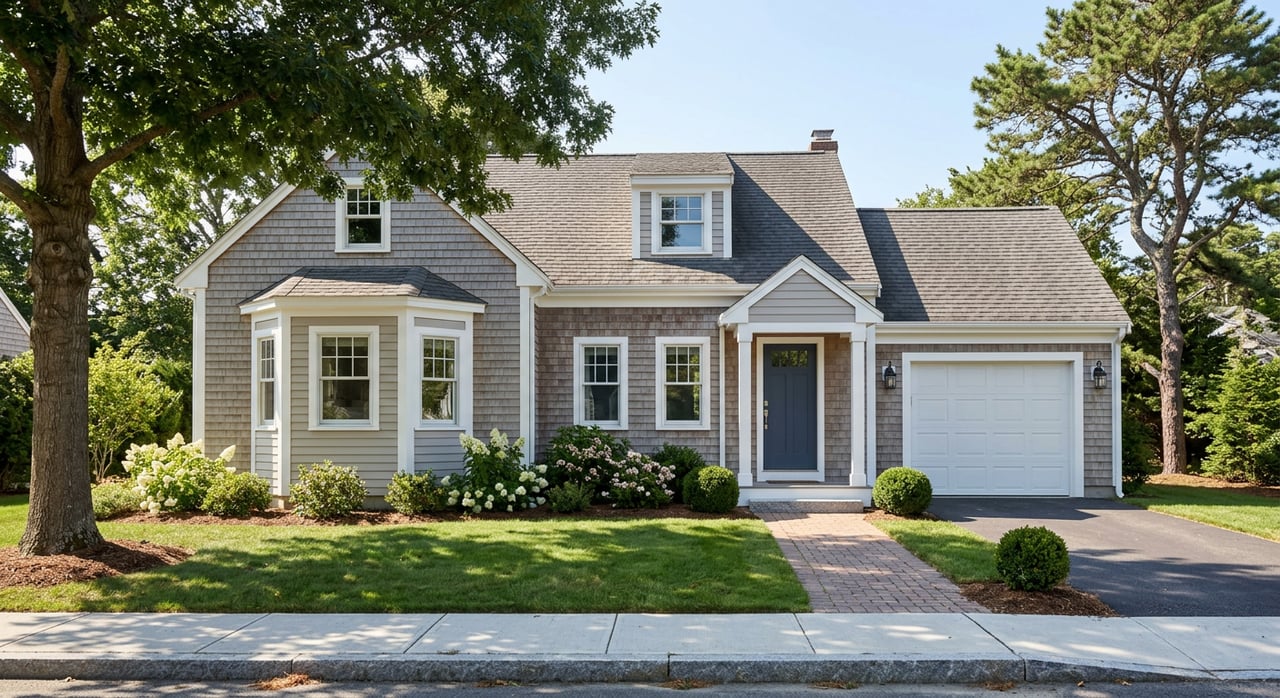
If you want to park the car and keep life simple, the village makes errands easy. You can walk to coffee, galleries, and community events, and you have quick access to the Cape Cod Rail Trail for biking. The town hub concentrates year-round services so winter living feels practical and connected. See more municipal resources on the Town of Orleans website.
Housing types and sewer status
You will see classic Cape cottages, period homes on smaller lots, and some condo and townhouse options. Many properties have been renovated for year-round comfort. Downtown is a priority area for Orleans’ sewer program, which can expand renovation and add-bedroom possibilities over time. For the latest service areas and timing, check the Town wastewater page.
Pros and trade-offs
- Pros: Walkability, year-round amenities, and typically lower exposure to ocean-driven storm surge than Atlantic-facing parcels. Sewer access in and around downtown supports long-term improvements. See the wastewater plan for context.
- Trade-offs: Smaller lots and a busier feel near Main Street during peak season. You trade private shoreline perks for convenience and community.
Waterfront options in Orleans
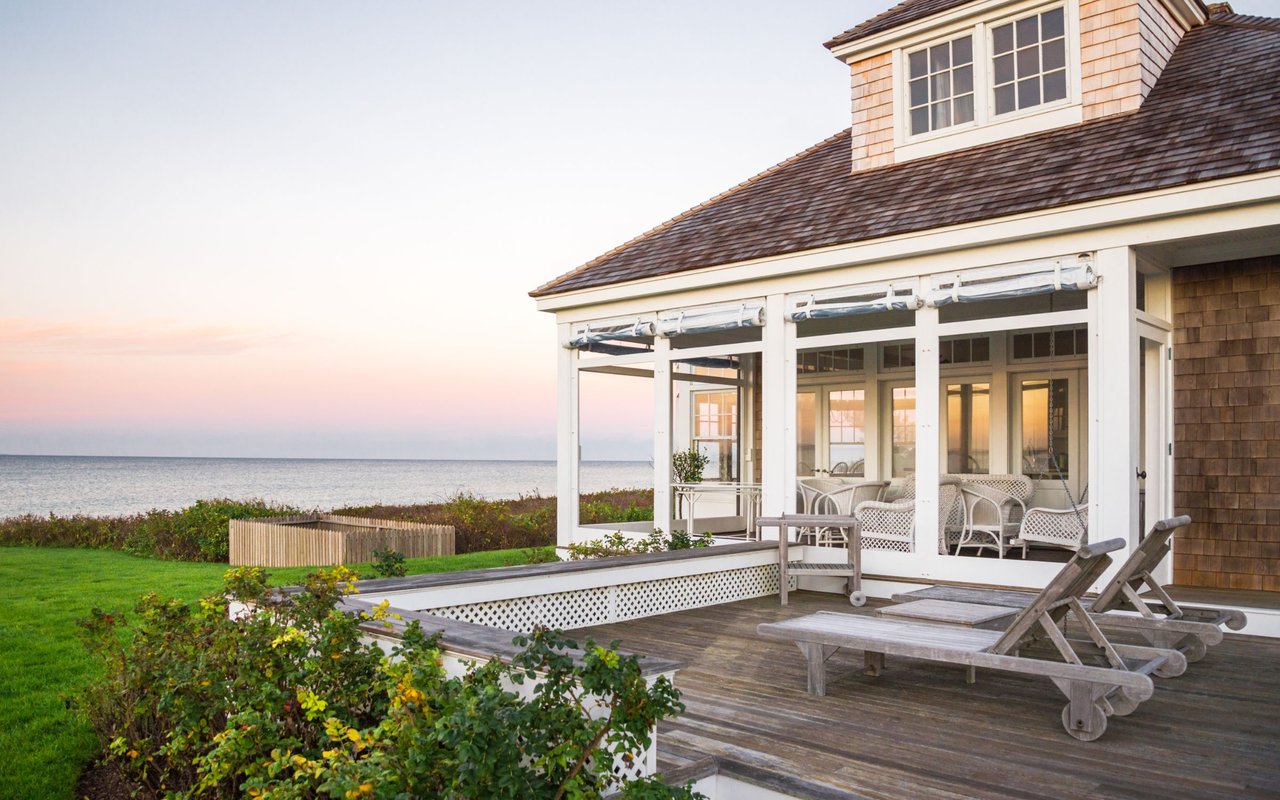
Waterfront is not one market in Orleans. Your fit depends on whether you want bay and harbor access, open-ocean exposure, or calm pond and Pleasant Bay inlets.
Bay and harbor: Rock Harbor and Skaket
These west-facing pockets look onto Cape Cod Bay. Rock Harbor includes marina activity and charter boats, while Skaket Beach offers broad tidal flats at low tide and notable sunsets. You stay close to town and enjoy calmer water for wading and exploring. For a quick primer on Skaket’s character, see this beach overview.
- Ownership notes: Waterfront and marsh-adjacent parcels can sit in flood zones that affect insurance and permitting. Before you offer, review the Town’s FEMA Flood Map Information and talk with your lender about elevation certificates.
Atlantic oceanfront: Nauset Beach area
Oceanfront here means open Atlantic views and surf with the highest price tier and the highest exposure to wind, waves, and erosion. Parcels near Nauset Beach connect to a broader National Seashore landscape with long sandy stretches and dune systems. For visitor access context, the NPS maintains Seashore visitor center information.
- Ownership notes: Expect higher insurance requirements and maintenance for shoreline protection and storm resilience. Start with the Town’s FEMA Flood Map Information, then consider regional work on road and climate vulnerability via the Cape Cod Commission’s Low-Lying Roads Project.
Ponds and Pleasant Bay pockets
Pondfront and Pleasant Bay inlets provide protected water for paddling, small boats, and quiet wildlife viewing. Many of these areas feel secluded due to surrounding marsh or conservation land. Meetinghouse Pond and related pockets are included in the Town’s multi-phase sewer plan, which can shape renovation scope and future home value. Review the Wastewater Infrastructure page for phasing and maps.
- Ownership notes: Pond and bay edges involve ecological protections. Check wetlands setbacks, Title 5 septic history, and any rights of way. For regional context on coastal processes and community rating programs, see Barnstable County’s coastal resources page.
Village vs waterfront: how to choose
Lifestyle and daily routines
- Choose the village if walking to coffee, errands, and year-round events shapes your week.
- Choose waterfront if private time on the water is central to how you recharge.
Price and total cost
- Waterfront often commands a significant premium over town properties.
- Add recurring costs to your budget: flood insurance, wind coverage, and maintenance for shoreline systems where applicable. Local brokers can help you estimate ranges. As a primer, see this overview of flood insurance basics.
Infrastructure and renovations
- Sewer access matters for adding bedrooms or expanding. Downtown is Phase 1, Meetinghouse Pond is Phase 2, and additional lakes and ponds are in future stages. Confirm status on the Town wastewater page.
Flood and climate risk
- Check today’s FEMA zone and think long term. Review the Town’s FEMA Flood Map Information and the Cape Cod Commission’s Low-Lying Roads Project.
Conservation and permitting
- Waterfront and pondfront work usually requires Conservation Commission review and specific permits. Build time and cost into your plan. Town pages linked above are your first stop.
Access and seasonality
- Waterfront roads can be busy in peak season or limited during storms. Village living clusters retail and services in one place. If biking is part of your rhythm, explore the Rail Trail details from MassDOT’s trail connection project page.
Resale considerations
- Village homes appeal to buyers seeking convenience and year-round function.
- Waterfront draws a targeted pool that often pays peak prices for special settings, yet can be more sensitive to insurance and climate trends.
Your next steps
If you are early in your search, start with lifestyle first, then test-drive a few pockets. Spend a morning downtown, then a sunset at Skaket, and a windy day near Nauset. From there, line up a sewer and flood status check on any home you love and price in insurance and maintenance before you write an offer.
You do not have to figure it out alone. We help you compare micro-areas, pull neighborhood-level comps, coordinate pre-offer insurance and permitting checks, and plan for staging or property management if you are buying a second home. When you are ready, connect with Amy E Vickers for concierge-level guidance tailored to how you want to live on Cape Cod.
FAQs
What is the key difference between village and waterfront living in Orleans?
- Village living centers on walkability to year-round services and community events, while waterfront living prioritizes direct water access and privacy with more exposure to weather and permitting considerations.
How much more does waterfront usually cost in Orleans?
- Waterfront commonly carries a significant premium over inland or village homes, with oceanfront often at the top tier; use a recent MLS comp report for the pocket you are considering and review the REALTOR® market overview for town-level context.
What should I check for flood and storm risk before I offer?
- Verify the FEMA flood zone, ask for an elevation certificate if applicable, and price insurance with a local broker; start with the Town’s FEMA Flood Map Information and consider regional resilience work via the Low-Lying Roads Project.
How does sewer status affect renovations in Orleans?
- Sewer availability can expand options to add bedrooms or increase square footage; confirm which phase a property falls under on the Town’s Wastewater Infrastructure page.
Can I get a private dock on a pond or bay in Orleans?
- It depends on location, water depth, and conservation rules; expect review by local authorities and plan for permits and timelines, especially in ecologically sensitive pond and Pleasant Bay areas.